Plant Library
Bouteloua Gracilis
Blue Grama Grass
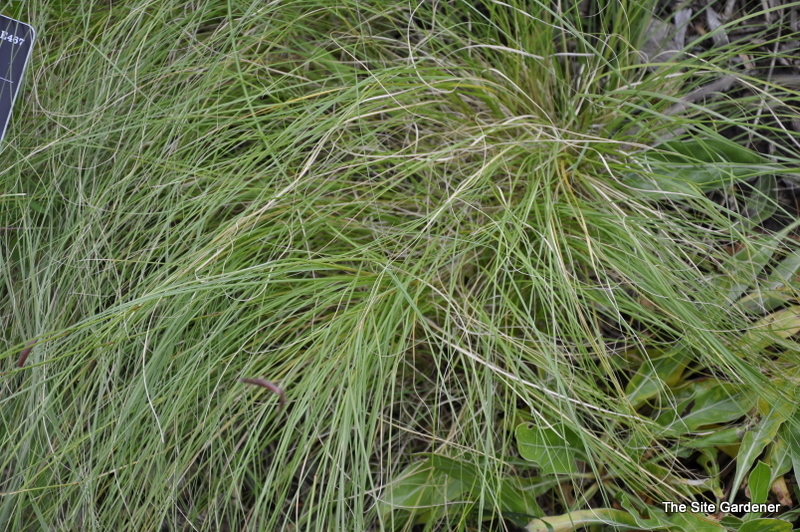
outeloua gracilis — commonly known as Blue Grama Grass — is a native North American warm-season ornamental grass prized for its fine texture, drought tolerance, and distinctive seedheads that resemble little “eyelashes.” It’s widely used in prairie restorations, naturalistic landscapes, and low-maintenance plantings where a native, water-wise grass is desired.
Key features
Width / spread: 1–2 ft (typically forms a tight clump) Height: 1–2 ft (seedheads may extend slightly above foliage) Foliage color: Blue-green turning bronze in fall/winter Flower/seedhead color: Tan-to-bronze eye-shaped seedheads in summer–fall Form: Clumping grass Life cycle: Warm-season perennial grass
Growing conditions
Sun: Full sun (essential for best performance) Soil: Dry to moderately fertile; well-drained; tolerates rocky, poor soils Water: Very low; highly drought tolerant once established Hardiness:
Zone Low: 3a
Zone High: 9a
Landscape use
Prairie and meadow plantings Low-water garden landscapes Native plant gardens Mass plantings for texture and seedhead interest Erosion control on dry slopes Specimen or container accents
Notes
• Signature seedheads are produced in summer and remain attractive into fall and winter. • Excellent drought tolerance and heat toughness make it ideal for xeric landscapes. • Blue grama may self-seed in appropriate conditions, blending naturally into native plantings. • Avoid overly rich, moist soils as they can reduce distinctive texture and seedhead production.
- Minimum zone
- 3
- Maximum zone
- 9
- Height
- 1-2'
- Width
- 1-2'